The wearable hardware market is expanding at a fast pace. Smart watches have long been mainstream consumer wearables, while smart rings and smart glasses are gaining growing popularity as emerging categories. For brand operators, importers and ODM partners, understanding the strengths‑and‑weaknesses of each device helps make better product decisions.
What are the practical differences among smart rings, smart glasses and smart watches in usage scenarios, technical requirements, MOQ and market prospects?
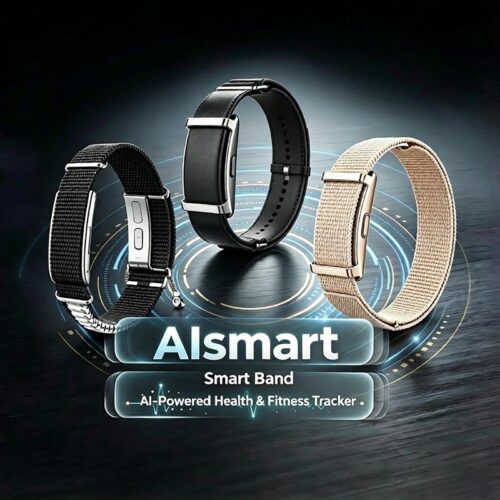
Smart watches are the most well‑established of the three. Supported by mature supply chains and rich consumer recognition, they deliver full‑featured experiences including health tracking, sports recording, message alerts and Bluetooth calling. However, the market is highly saturated. Intense homogeneous competition has squeezed profit margins. New entrants may find it difficult to stand out without solid brand advantages.
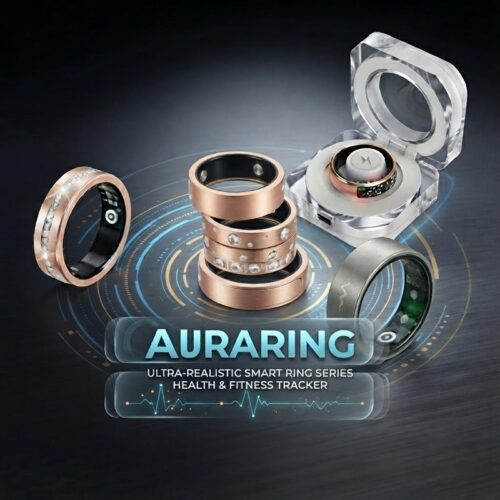
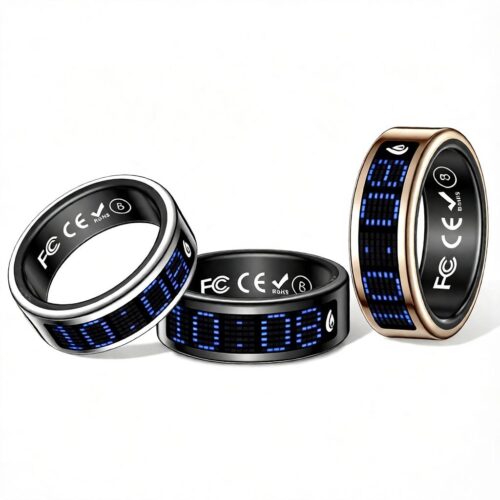
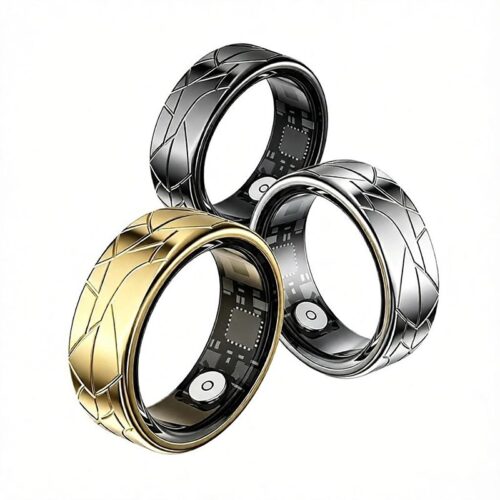
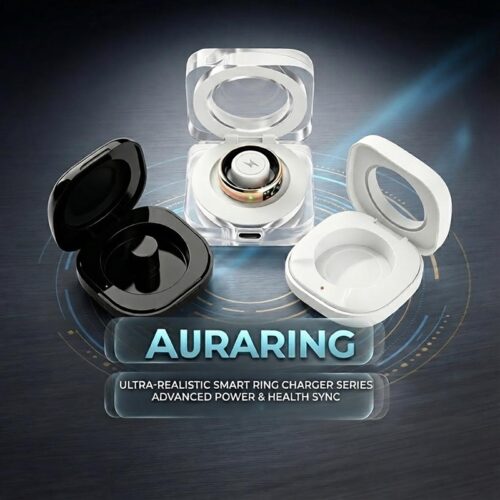
Smart rings are compact finger‑worn wearables. Centered on health monitoring, they track sleep quality, heart rate, blood oxygen, stress level and menstrual cycles. Their tiny size demands high‑level miniaturization of sensors, battery power management and fine shell craftsmanship. Compared with watches, smart rings consume less power and offer lightweight, all‑day comfort. They fit well with health‑oriented consumer groups and high‑end customized projects. The main limitation comes from constrained battery capacity and high precision‑processing requirements.
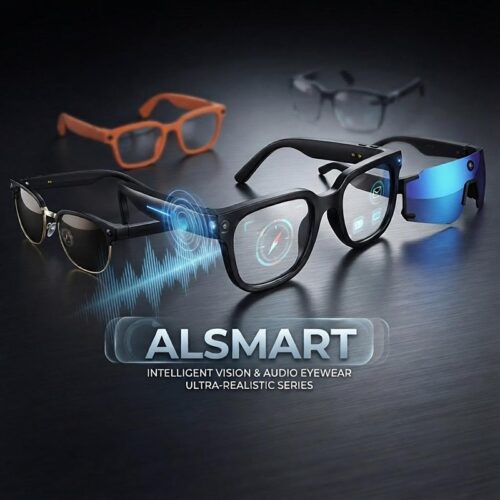
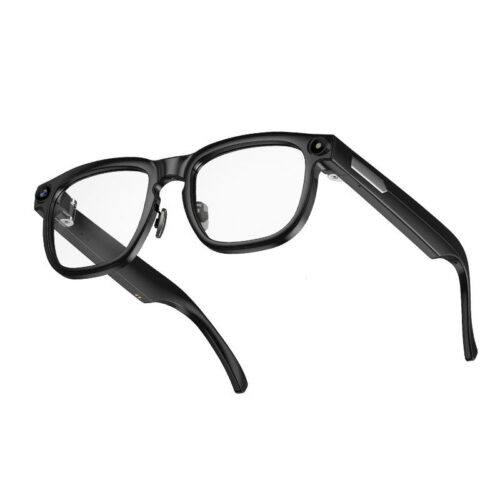
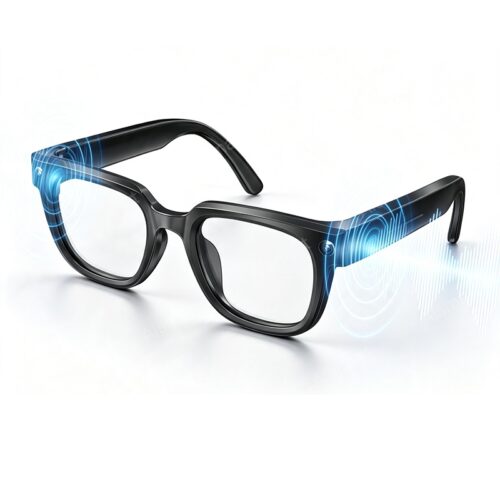
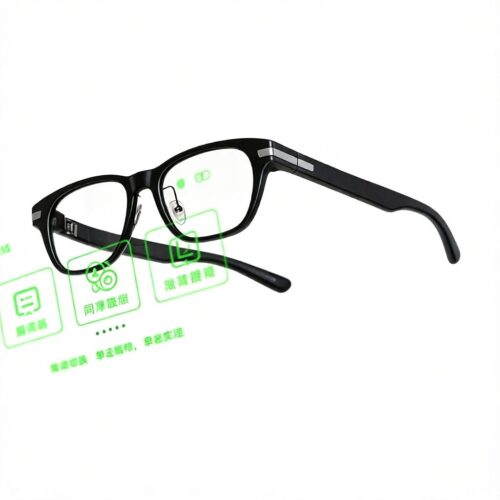
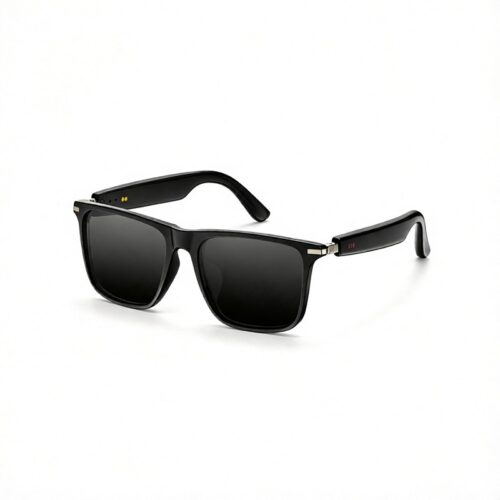
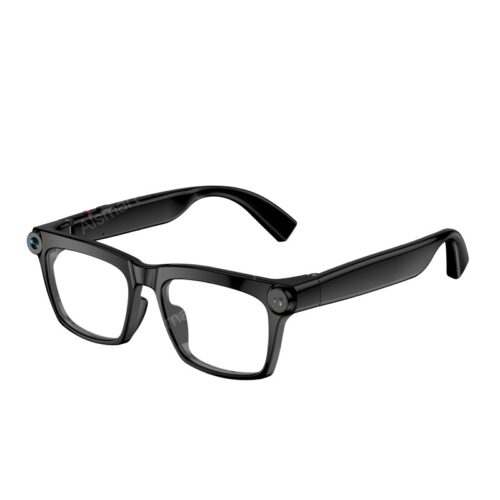
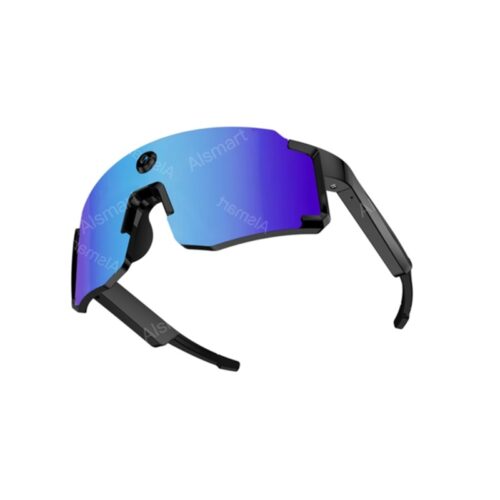
Smart glasses bring another set of usage possibilities. Apart from basic health‑related functions, they support Bluetooth calls, real‑time translation, audio interaction and information reminders, creating hands‑free experiences for office, outdoor and daily‑life scenarios. Unlike wrist‑worn or finger‑worn products, smart glasses involve optical structure, audio modules and ergonomic housing design. ODM development costs are relatively higher, yet they create obvious differentiation for brands. They are ideal for customers focusing on enterprise, tourism and education‑oriented markets.
When evaluating these three wearables:
Smart watches are a stable choice for mass‑market projects with lower technical risks, though competition on cost and branding is unavoidable.
Smart rings represent high‑potential niche tracks for brands chasing health‑focused differentiation, suitable for white‑label solutions and medium‑volume custom orders.
Smart glasses open up brand‑new market segments. They are worth considering if you want to build unique product advantages, especially for scenario‑specific customization demands.
There is no universal perfect wearable for every market. It is necessary to evaluate target audiences, market positioning, ODM budget, MOQ expectations and after‑sales capacity comprehensively. Cooperating with reliable hardware manufacturers can reduce technical risks and shorten time‑to‑market.
With continuous technological updates, multi‑form‑factor wearables will become an important industry trend. Whether you lean toward smart watches, smart rings or smart glasses, clear market positioning remains the key to success.

 +86 13575128559
 dearsonethel@gmail.com
 +1 6625181305
 15675449128


-500x500.jpg.webp)