×
×
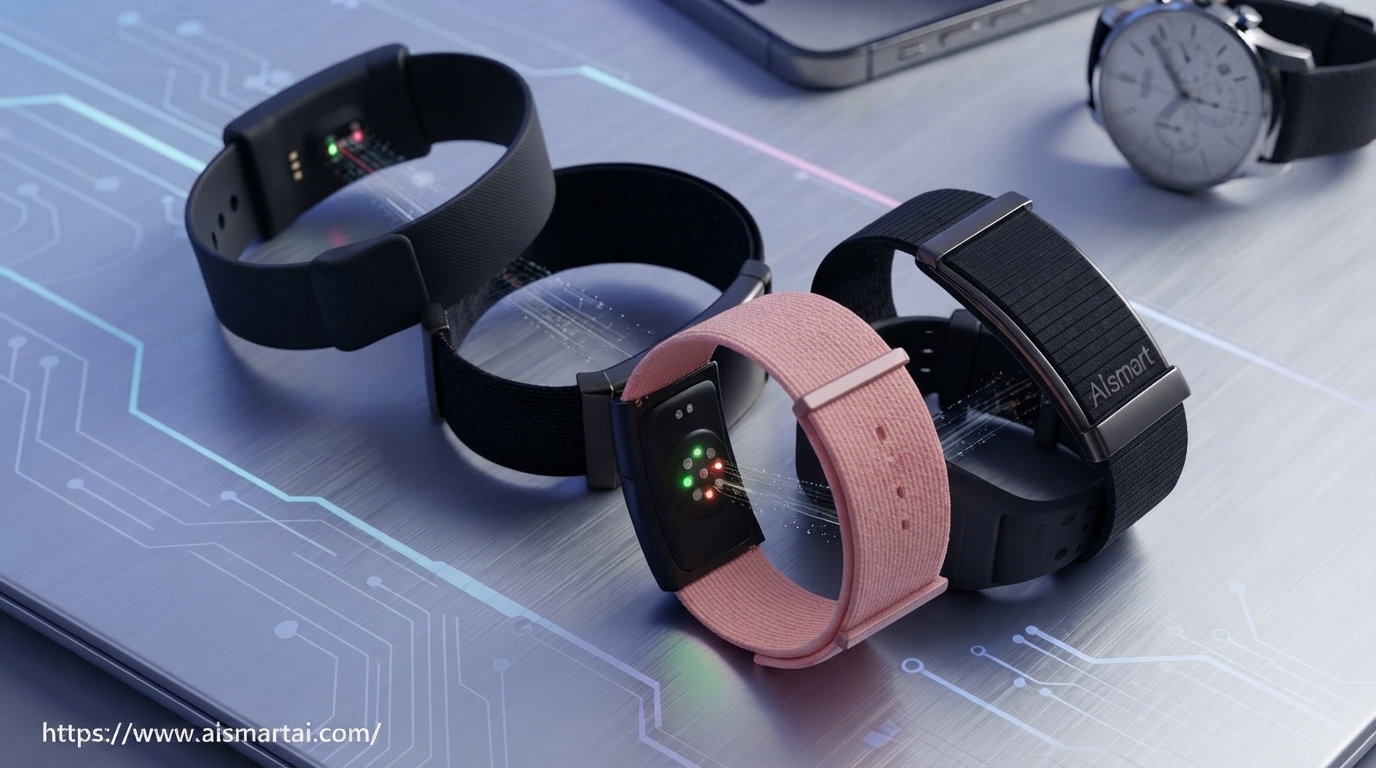
In an era of relentless notifications, the fitness and wellness industry is undergoing a quiet rebellion. While smartwatches have historically conditioned us to monitor every heartbeat, step, and calorie in real time, a new category of wearables has emerged: the screenless smart band. Devices like WHOOP and the Amazfit Helio Strap have stripped away the display, introducing what can only be described as a “blind box” health experience. But this design choice is far from a mere aesthetic regression. By delaying biometric feedback until we deliberately check our smartphones, screenless wearables are fundamentally transforming our psychological relationship with physical data—and in the process, alleviating modern health anxiety.
Data Postponed: The Psychology of Uninterrupted Living
When a wearable device constantly flashes metrics on your wrist during a workout or a night of restless sleep, it invites hyper-vigilance. Seeing a sudden spike in heart rate or a declining sleep score in the moment often triggers cognitive stress, causing anxiety that paradoxically worsens performance and recovery.
Screenless bands leverage the psychological principle of “data postponement.” By removing the immediate loop of feedback, users are encouraged to stay present. When you run, you focus on your breathing, your pacing, and the terrain. When you sleep, you simply rest without a glowing screen illuminating your nightstand or buzzing with micro-alerts. The data is still meticulously gathered by advanced photoplethysmography (PPG) sensors and accelerometers, but it is sequestered safely in the background. The metrics turn into a retrospective report rather than an active distraction.
Shifting from Reactive Panic to Proactive Insight
This delayed disclosure alters how we interpret our body’s language. Without real-time numerical distractions, users learn to tune back into their intrinsic physiological cues. You learn what true fatigue feels like before checking your recovery score, and you recognize the signs of a solid night’s rest independent of an app’s validation.
When you finally sync the device and open the app, the comprehensive health report feels less like a judge and more like an objective post-mortem. Users shift from reactive anxiety—worrying about a suboptimal metric mid-activity—to a proactive, analytical mindset. They look at systemic trends over weeks and months rather than stressing over hourly fluctuations. Ultimately, screenless bands teach us that sometimes, the best way to understand our bodies is to stop watching them in real time and simply let them speak.
#Screenless Smart Bands, #Screened Fitness Trackers, #Smart Rings, #Athletic Wristbands, #Biometric Monitoring, #Heart Rate / PPG Sensors, #Sleep & Recovery Tracking, #Data Postponed / Blind-box Experience, #Seamless / 24/7 Wear, #Extended Battery Life, #Health Anxiety, #Digital Detox, #Minimalist Tech, #Body Awareness, #Mindful Training, #Professional Athletes, #Hardcore Runners, #Data Geeks / Quantified Self, #Workplace Stress Relief, #Nighttime Monitoring
 +86 13575128559
 dearsonethel@gmail.com
 +1 6625181305
 15675449128
15675449128
 Phone
+86 13575128559
Email
dearsonethel@gmail.com
WhatsApp
+1 6625181305
WeChat
15675449128
Phone
+86 13575128559
Email
dearsonethel@gmail.com
WhatsApp
+1 6625181305
WeChat
15675449128