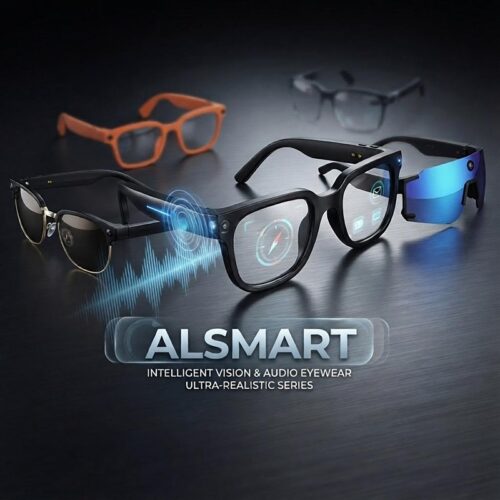
Summary: An objective analysis of the global smart glasses landscape. Explore how consumer tech giants, optical innovator brands, and industrial pioneers are navigating distinct architectural routes to address diverse end-user demands.
Introduction: A Diversified Landscape
The smart eyewear industry has reached a crucial turning point. Moving past early experimental stages, smart glasses are no longer defined by a single unified hardware concept. Instead, the global market is splitting into distinct categories, each designed around specific use cases, power efficiencies, and user expectations.
For global distributors, brand owners, and B2B buyers, understanding these technology routes is essential for building a future-proof product portfolio. This report outlines the strategic routes of major market players and how their architectural choices fulfill specific market needs.
The 4 Strategic Routes Shaping the Market
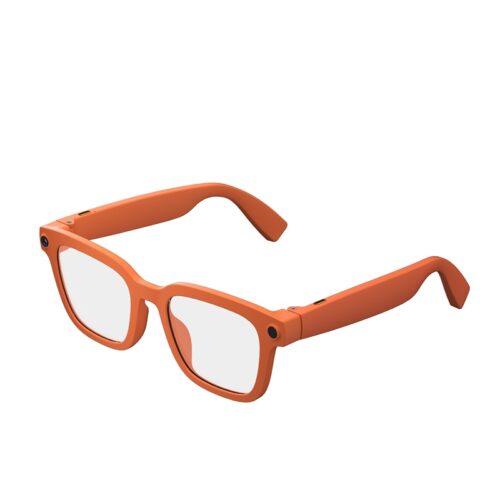
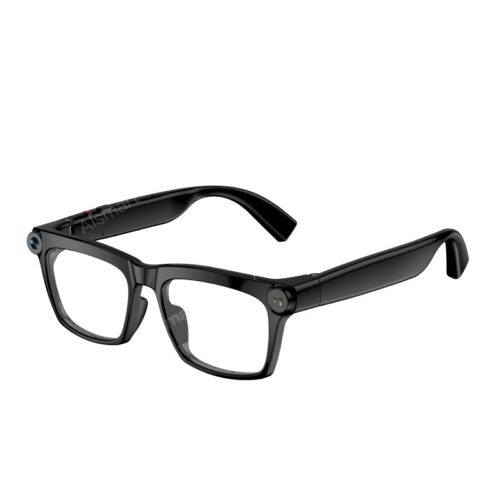
Route 1: Lightweight Audio & AI Capture (Consumer Daily Wear)
- Representative Pioneer: Ray-Ban Meta Series
- Core Product Philosophy: Prioritizing aesthetic familiarity, light weight, and natural voice interaction. By foregoing displays, these devices optimize battery efficiency and everyday comfort.
- Key Architecture: Dual open-ear audio, HD camera modules, multi-microphone arrays, integrated local & cloud LLMs.
- Primary Target Market: Everyday consumers, content creators, and hands-free voice assistant users seeking stylish, non-intrusive wearable Tech.
Route 2: Spatial Entertainment & Micro-Display (Virtual Screen Extensions)
- Representative Pioneers: Xreal, Rokid, Viture
- Core Product Philosophy: Transforming smart glasses into portable, giant personal screens for media consumption and gaming.
- Key Architecture: Birdbath / Optical prisms combined with high-refresh Micro-OLED displays, offloading heavy compute processing to external host devices (smartphones, consoles, or computing pods).
- Primary Target Market: Gamers, frequent travelers, mobile office professionals, and media enthusiasts seeking a pocket-sized personal cinema.
Route 3: Lightweight AR & Optical Waveguide (Ambient Information Overlay)
- Representative Pioneers: Even Realities, RayNeo, TCL
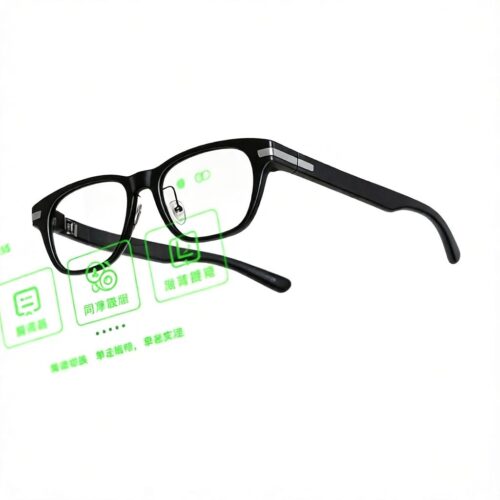
- Core Product Philosophy: Delivering “just-in-time” heads-up information (teleprompter, navigation, real-time translation) without blocking the user’s natural view.
- Key Architecture: Micro-LED optics with Diffractive/Refractive Optical Waveguides, ultra-low power consumption, high ambient sunlight visibility.
- Primary Target Market: Public speakers, international business travelers, navigators, and professionals needing real-time visual assistance.
Route 4: Industrial & Ruggedized Enterprise AR (Hands-Free Operations)
- Representative Pioneers: Vuzix, RealWear
- Core Product Philosophy: Built for durability, safety compliance, and seamless integration into industrial field workflows.
- Key Architecture: Ruggedized housing (IP67/MIL-STD), hot-swappable batteries, active noise-canceling industrial mics, monocular/binocular HUDs, and remote expert software integration.
- Primary Target Market: Enterprise logistics, remote equipment maintenance, manufacturing lines, and medical surgical assistance.
Strategic Comparison Matrix for B2B Sourcing
Category / Strategic RouteDisplay TechnologyPrimary Input MethodCore Value PropositionBest-Fit Target AudienceAudio & AI CaptureNon-DisplayVoice + Touch TapFashionable daily wear, AI assistant, POV captureMass Consumer / Content CreatorsSpatial EntertainmentMicro-OLED + BirdbathPhysical Cable / Companion AppHigh-definition virtual screen displayGamers / Portable Theater UsersLightweight AR WaveguideMicro-LED + WaveguideVoice / Ring Controller / TouchAmbient HUD text overlay & real-time translationBusiness Travelers / PresentersIndustrial Enterprise ARMonocular / Ruggedized HUDVoice Commands (High-Noise)Hands-free field operations & remote assistanceLogistics / Manufacturing / Healthcare
Key Takeaway for Brands & B2B Hardware Buyers
There is no “one-size-fits-all” solution in smart eyewear. The market success of each brand lies in matching optical engine architectures, compute placement, and battery weight to their specific target user scenarios.
As the industry scales, custom OEM/ODM solutions are opening new avenues for enterprise brands seeking tailored hardware—whether integrating specialized camera modules, custom white-label firmware, localized AI integrations, or custom optical chassis.
Interested in exploring custom OEM/ODM hardware possibilities or tailored smart wearable solutions? Contact our B2B engineering team to learn more about adaptable smart glasses modules.
#SmartGlasses #AugmentedReality #WearableTech #B2BHardware #OEM #TechTrends2026#Smart Glasses Comparison #AR Glasses Market 2026 #Smart Eyewear Guide #Ray-Ban Meta vs Xreal #Optical Waveguide #Smart Glasses OEM ODM

 +86 13575128559
 dearsonethel@gmail.com
 +86 13575128559
 15675449128