×
×
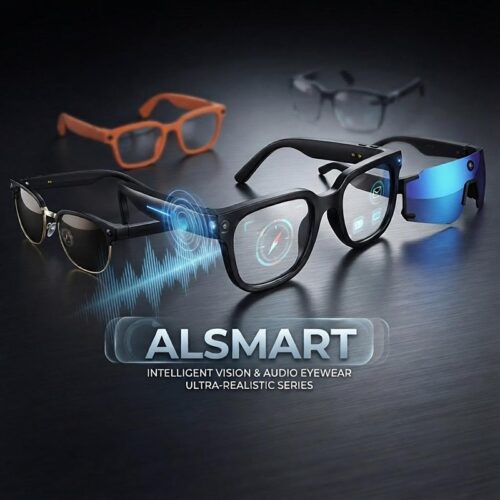
The smart glasses industry is entering a new stage of development as artificial intelligence (AI), augmented reality (AR), and wearable computing technologies continue to advance. Once considered a futuristic concept, smart glasses are now becoming a practical technology product with applications in consumer electronics, business solutions, healthcare, education, and industrial environments.
From AI-powered camera glasses to advanced AR glasses with optical waveguide displays, the market is moving toward more intelligent, interactive, and immersive experiences.
1. AI Smart Glasses Become the Mainstream Market Direction
In recent years, AI has become one of the biggest drivers of smart glasses innovation.
Unlike traditional wearable devices, AI smart glasses can provide hands-free intelligent experiences through cameras, microphones, speakers, and AI algorithms.
Current popular smart glasses mainly focus on:
Photo and video capture
AI voice assistant
Real-time translation
Music and phone calls
Navigation assistance
AI-powered daily interaction
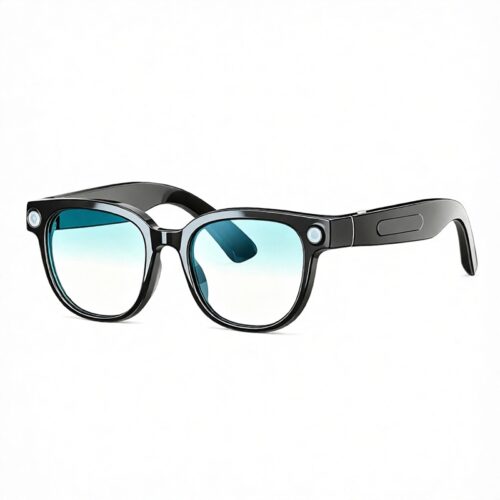
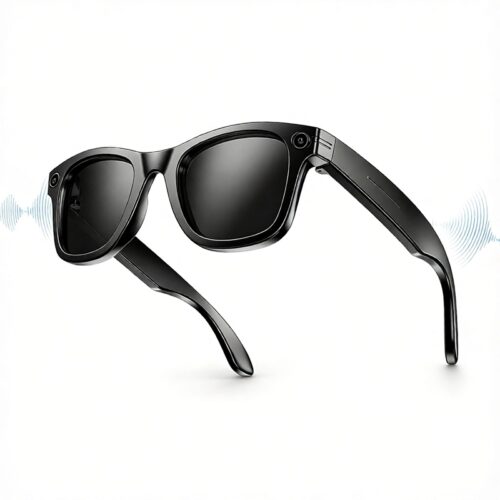
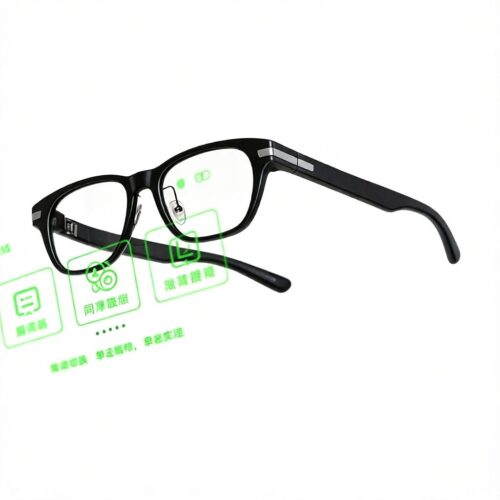
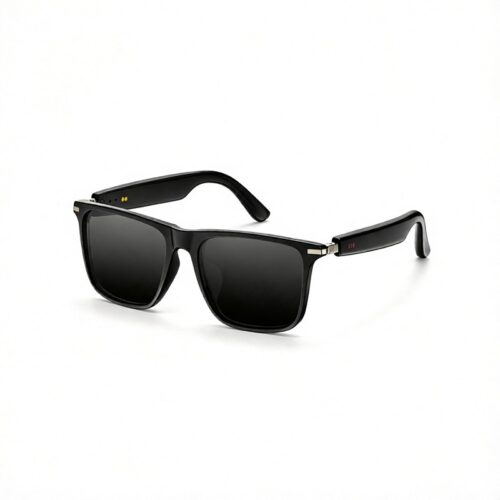
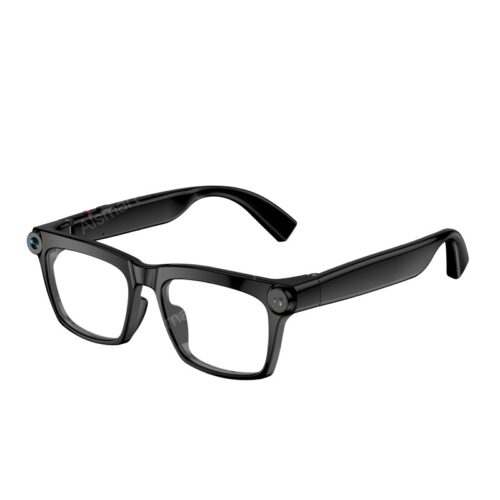
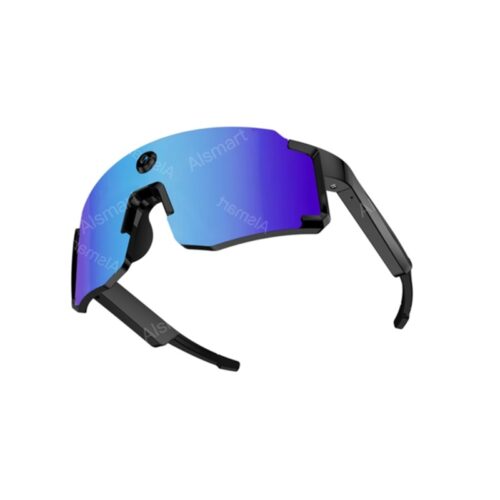
Camera-equipped smart glasses have gained wider consumer acceptance because they offer practical functions at a relatively affordable price. Models with 800MP and 1300MP cameras are becoming common choices for everyday users.
2. AR Smart Glasses with Optical Waveguide Display Are Emerging
Optical waveguide technology represents the next generation of smart glasses development.
Compared with traditional camera glasses, AR smart glasses with built-in displays can provide:
Digital information overlay
Real-time navigation guidance
Industrial maintenance assistance
Remote collaboration
Immersive AR experiences
However, optical waveguide display technology is still in an early commercialization stage. Due to the complexity of optical components, micro displays, and manufacturing processes, the production cost remains relatively high.
Therefore, this type of smart glasses is currently more suitable for:
Enterprise applications
Professional users
High-end consumer markets
As technology matures and costs decrease, AR display glasses are expected to gradually enter the mass market.
3. Smart Glasses Applications Expand Beyond Consumer Electronics
The future of smart glasses is not limited to entertainment.
More industries are exploring smart glasses solutions, including:
Industrial Manufacturing
Equipment inspection
Remote technical support
Worker training
Digital workflow assistance
Healthcare
Medical training
Remote consultation
Surgical assistance
Education
Interactive learning
Virtual demonstrations
Digital classrooms
Business Applications
Remote meetings
Real-time translation
Productivity enhancement
Smart glasses are becoming an important tool for improving efficiency and creating new digital experiences.
4. Challenges Facing the Smart Glasses Industry
Although smart glasses have significant market potential, several challenges remain:
Battery Life
Power consumption is still a major challenge, especially for AR glasses with displays.
Cost
High-end optical display technologies increase product prices and limit mass adoption.
User Experience
Comfort, weight, design, and long-term wearing experience are critical factors for consumer acceptance.
Privacy Concerns
Camera-equipped glasses require responsible design and clear privacy protection solutions.
Companies that can balance technology, price, and user experience will have stronger market competitiveness.
Company Latest Updates
AISmart Technology Co.,Ltd: Developing Next-Generation Smart Glasses Solutions
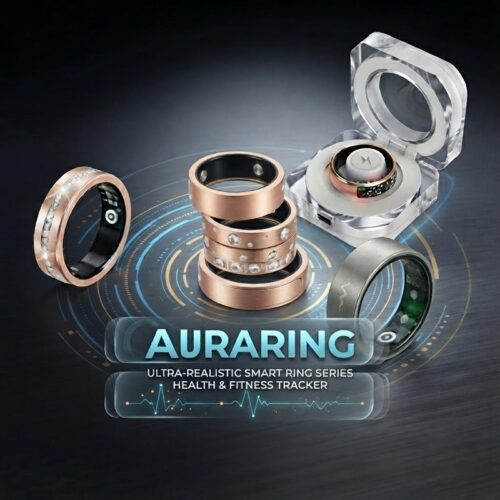
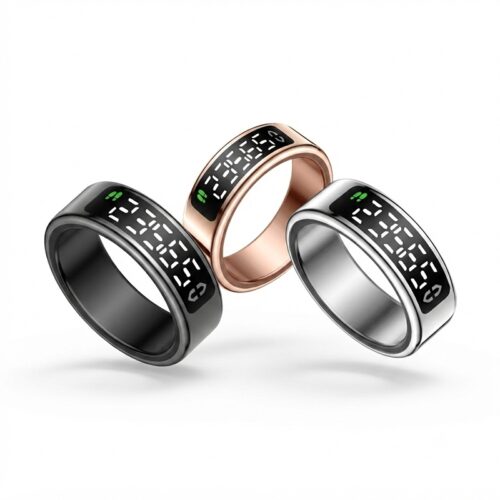
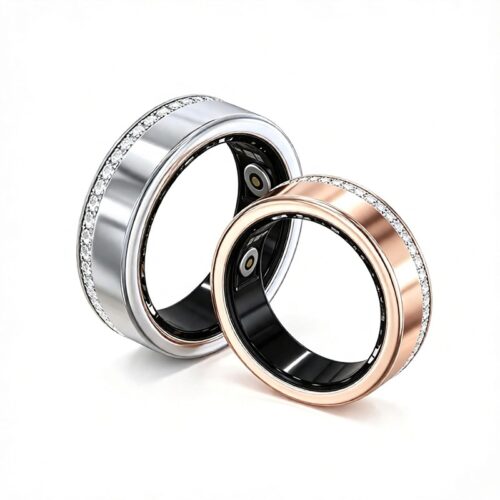
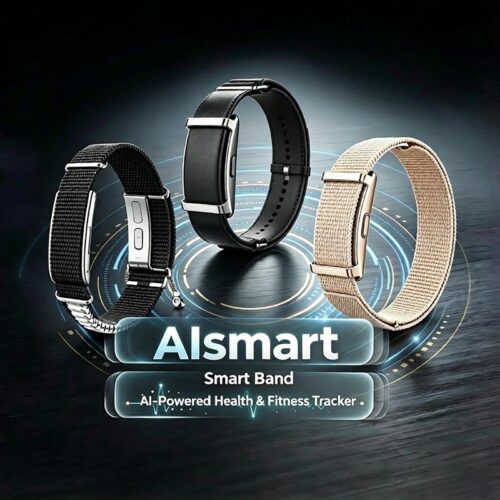
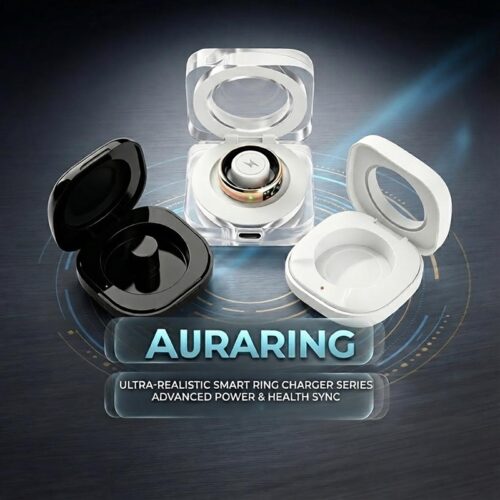
AISmart Technology Co.,Ltd focuses on the research, development, and manufacturing of smart wearable products, including smart glasses and smart ring solutions.
The company provides professional support for global partners, including:
 Smart glasses OEM/ODM manufacturing Customized appearance and logo solutions Hardware optimization Firmware integration support SDK and software development cooperation Flexible production solutions for different markets
By combining manufacturing capability with wearable technology innovation, China AISmart Technology aims to help global brands develop competitive smart wearable products.
Future Outlook: Smart Glasses Will Become Personal AI Assistants
The next generation of smart glasses will continue evolving from simple wearable devices into intelligent AI assistants.
Future smart glasses may combine:
Advanced AI models
High-quality cameras
Optical waveguide displays
Voice interaction
Real-time environmental understanding
Whether for everyday consumers or professional industries, smart glasses are expected to become an important interface connecting humans and digital information.
The smart glasses industry is moving toward a future where technology is no longer just carried — it is naturally integrated into daily life.
 +86 13575128559
 dearsonethel@gmail.com
 +1 6625181305
 15675449128

15675449128
 Phone
+86 13575128559
Email
dearsonethel@gmail.com
WhatsApp
+1 6625181305
WeChat
15675449128
Phone
+86 13575128559
Email
dearsonethel@gmail.com
WhatsApp
+1 6625181305
WeChat
15675449128
-500x500.jpg.webp)