Wearable technology is entering a new stage of development.
For years, smartwatches and fitness trackers have dominated the wearable market, providing users with health data, notifications, activity tracking, and other information through a screen.
However, advances in artificial intelligence, voice interaction, sensors, and low-power technologies are creating a new category of wearable devices: screenless wearables.
From smart rings and AI smart glasses to AI-powered ear-worn devices, more products are moving away from traditional screens and exploring new ways for users to interact with technology through voice, gestures, touch, sensors, and artificial intelligence.
So, could screenless devices become the next major growth opportunity in the wearable technology market?
1. What Are Screenless Wearables?
Screenless wearables are smart devices that do not rely on a traditional display as the primary method of user interaction.
Traditional smart devices generally follow a familiar pattern:
Screen → View Information → Tap or Swipe → Receive Feedback
Screenless devices are exploring a different approach:
Voice → AI Processing → Device Action → Audio, Vibration, or Other Feedback
For example, AI smart glasses can use voice commands to perform tasks such as information search, translation, photography, video recording, and AI assistant interactions.
Smart rings, meanwhile, can collect health and activity-related data through built-in sensors and transfer that information to a smartphone application for analysis.
The goal is not to remove functionality.
Instead, the goal is to make technology more natural, less distracting, and more integrated into everyday life.
2. Smart Rings: A New Approach to Screenless Wearables
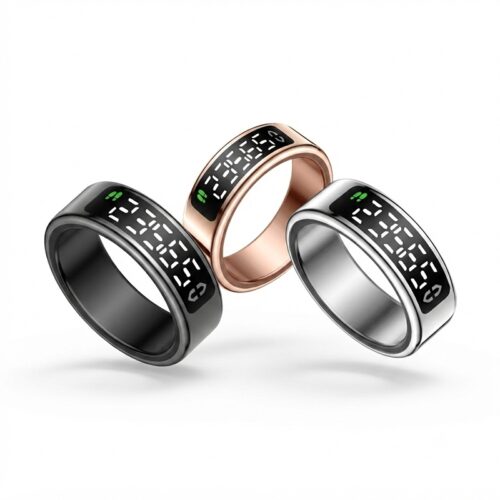
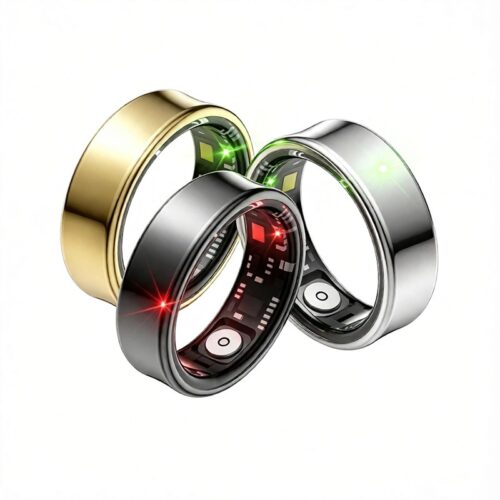
Smart rings are one of the most recognizable examples of screenless wearable technology.
Compared with smartwatches, smart rings are smaller, lighter, and designed to operate without requiring users to constantly look at a display.
Depending on the product, smart rings can provide functions such as:
Heart rate monitoring
Sleep tracking
Blood oxygen-related measurements
Activity and fitness tracking
HRV monitoring
Sedentary or activity reminders
Smartphone app synchronization
One of the biggest advantages of smart rings is their low-interruption user experience.
Instead of constantly checking a screen, users can simply wear the device while it collects data in the background. The information can then be reviewed through a smartphone app.
This suggests an important shift in wearable technology:
A wearable device does not necessarily need a screen to be intelligent.
3. AI Smart Glasses: Where Screenless Devices Meet AI
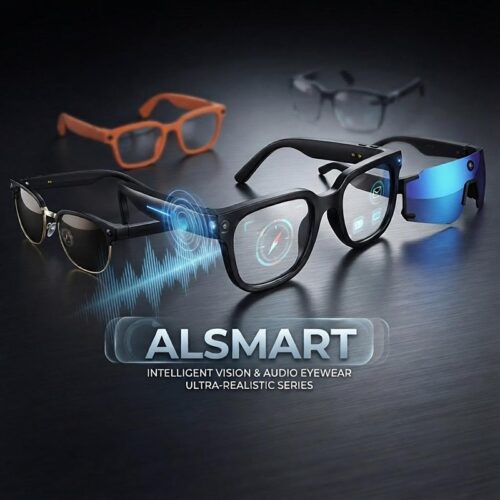
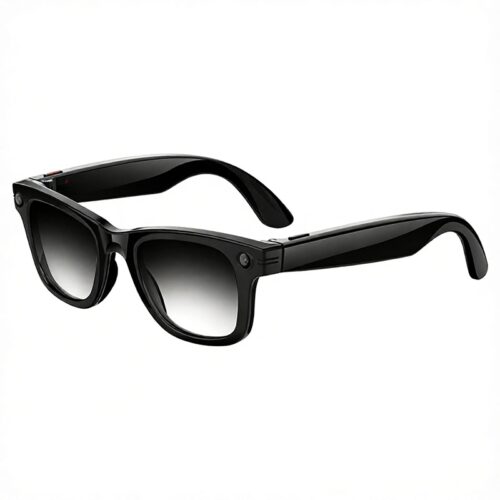
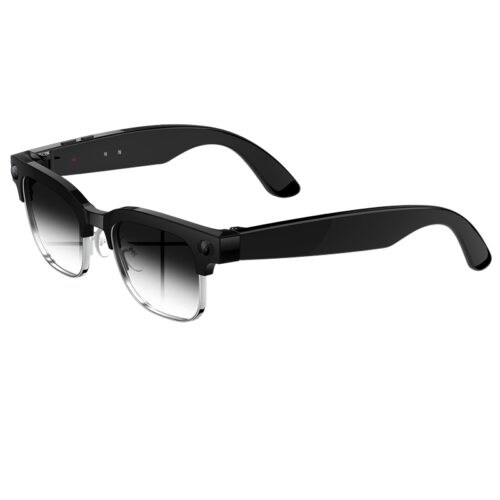
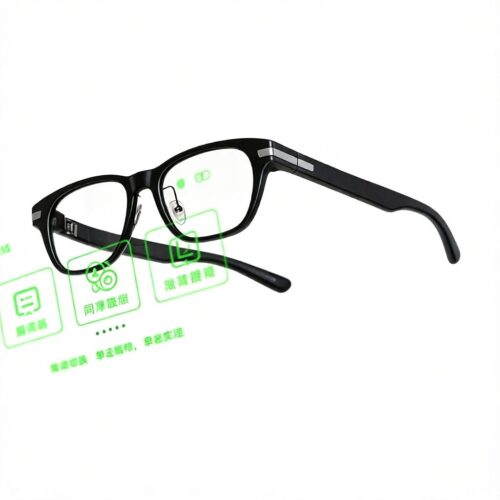
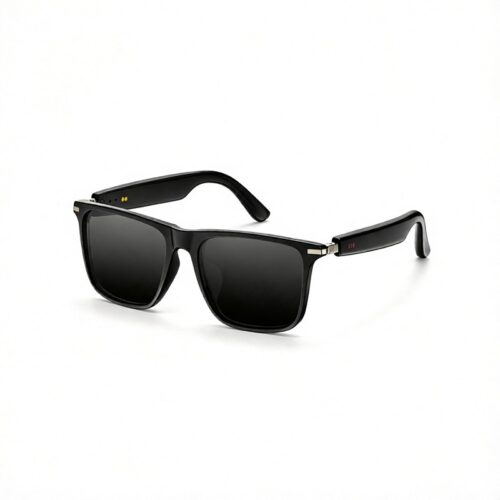
If smart rings represent screenless health and activity monitoring, AI smart glasses represent a new form of screenless AI interaction.
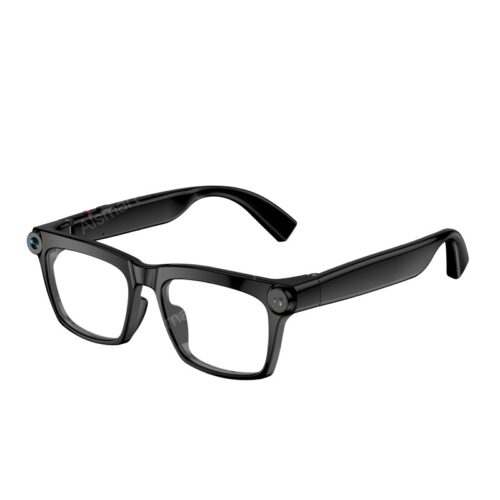
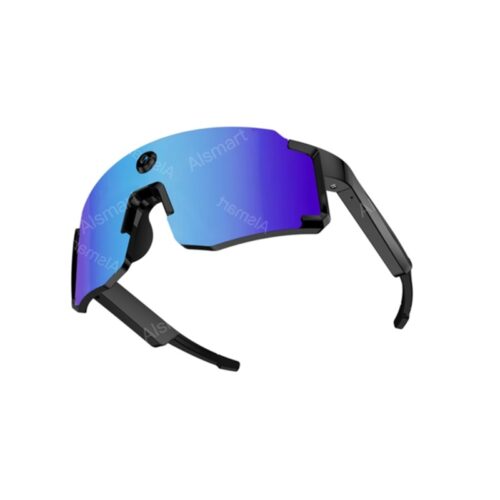
AI smart glasses can combine cameras, microphones, speakers, Bluetooth connectivity, and AI capabilities to provide users with a more natural way to interact with digital information.
Photography and Video Recording
Users can capture first-person photos and videos without taking out their smartphones.
Voice Interaction
Users can communicate with an AI assistant through voice commands instead of constantly looking at a smartphone screen.
Real-Time Translation
By combining speech recognition, AI, and audio output, AI glasses have the potential to make multilingual communication more convenient.
Hands-Free Calling
Built-in microphones and speakers allow users to make and receive calls without holding a phone.
Context-Aware AI
As AI and computer vision technologies continue to develop, future smart glasses may be able to better understand what users are seeing and provide relevant information based on their surroundings.
This means the value of AI smart glasses may go beyond simply being “glasses with a camera.”
They could gradually evolve into a new type of personal AI device.
4. AI Ear-Worn Devices: Another Opportunity to Watch
Smart glasses and smart rings are not the only screenless wearable categories attracting attention.
Ear-worn devices are also moving toward AI-powered experiences.
Traditional wireless earbuds mainly focus on:
Music + Calls
The next generation of AI-enabled ear-worn devices may expand into areas such as:
The ear is already a natural interface for human-computer interaction.
Users do not necessarily need to look at a screen to hear information, communicate with an AI assistant, or receive real-time audio feedback.
As a result, “AI + Ear-Worn Technology” could become another important part of the future personal AI ecosystem.
5. Why Could Screenless Devices Become a New Growth Opportunity?
① More Natural Human-Computer Interaction
Smartphones require users to actively look at a screen and interact with it.
Screenless devices can rely more heavily on:
Voice + Gestures + Sensors + AI
Users can speak, tap, gesture, or simply wear the device while it senses and processes information.
This creates a more natural interaction between humans and technology.
② AI Is Reducing Our Dependence on Screens
For many years, the screen has been one of the primary gateways between people and digital information.
AI is beginning to change this relationship.
When users can simply ask an AI assistant a question and receive an answer through voice, many simple tasks no longer require opening a smartphone.
This could gradually shift the industry from:
Screen-First → AI-First
The screen may remain important, but it may no longer be the only interface for accessing digital services.
③ Better for Hands-Free and Mobile Scenarios
Screenless devices can be particularly useful when users need to keep their hands free.
Potential applications include:
Cycling
Travel
Outdoor activities
Industrial work
Warehousing and logistics
Healthcare assistance
Cross-language communication
First-person content creation
In these situations, constantly checking a smartphone can be inconvenient.
Smart glasses, smart rings, and AI ear-worn devices can offer alternative ways to interact with technology.
6. What Challenges Do Screenless Devices Still Face?
Despite their potential, screenless wearables still face several challenges.
Battery Life
Smaller devices have limited space for batteries.
Cameras, AI processing, Bluetooth connectivity, sensors, and continuous data collection can all increase power consumption.
As a result, low-power chipsets, efficient power management, and convenient charging solutions will remain important factors in product development.
Privacy
Privacy is another critical consideration, especially for wearable devices equipped with cameras and microphones.
Users need to understand:
When is the device recording?
When is the microphone active?
Where is the data stored?
For brands and manufacturers, privacy-conscious product design will become increasingly important, especially when entering international markets.
AI Accuracy
The overall experience of an AI wearable depends heavily on the quality of its AI capabilities.
Speech recognition, translation, computer vision, and AI assistants must deliver reliable results to create real value for users.
Therefore, the future competition in wearable technology will not be purely about hardware.
It will increasingly become a combination of:
Hardware + Software + AI + Ecosystem
7. What Does This Mean for Brands and B2B Buyers?
For brands, distributors, retailers, and e-commerce businesses, screenless wearables may create new opportunities for product development and market expansion.
However, selecting a wearable product should involve more than simply comparing unit prices.
B2B buyers should consider factors such as:
For AI smart glasses in particular, different markets may have very different requirements.
Some buyers may prioritize high-resolution cameras.
Others may focus on AI voice assistants, translation, or hands-free communication.
For technology companies, SDK and software integration capabilities may be more important than consumer-facing features.
Therefore, the best product is not necessarily the one with the most features.
The best product is the one that fits the target market.
8. What Could the Future of Screenless Wearables Look Like?
The wearable industry may gradually be moving through a broader evolution:
Smartphone → Smartwatch → Smart Wearables → AI Wearables
The next generation of wearable technology may not require users to constantly look at a device.
Instead, devices may increasingly be able to:
Listen → Understand → Sense → Respond → Assist
Smart rings can provide continuous, low-interruption health and activity monitoring.
AI smart glasses can provide visual, voice, and contextual interaction.
AI ear-worn devices can provide audio-based interaction and communication.
In the future, these different devices could potentially work together as part of a broader personal AI ecosystem.
The real value of screenless technology may therefore not simply be the absence of a display.
It may be the ability to provide intelligent services without requiring users to constantly interact with a screen.
Conclusion: Screenless Does Not Mean Less Intelligent
The next stage of wearable technology may not simply be about larger displays, higher resolutions, or more features.
The bigger question is:
How can technology become more natural, invisible, and useful?
How can devices become smaller and more comfortable?
How can AI become genuinely useful in everyday situations?
And how can technology understand what users need without requiring constant attention?
Smart rings, AI smart glasses, and AI ear-worn devices are already exploring these possibilities.
For consumers, this could lead to a more natural and less distracting digital experience.
For brands, distributors, retailers, and B2B buyers, it could also create new opportunities in the rapidly evolving wearable technology market.
The future of wearables may not be about looking at technology. It may be about technology understanding us.
#SmartWearables
#SmartGlasses
#SmartRing
#AIWearables
#WearableTechnology
#ScreenlessTechnology
#AIInnovation
#WearableTech
#ArtificialIntelligence
#ConsumerElectronics
#SmartTechnology
#FutureOfTechnology
#DigitalTransformation
#B2B
#TechBusiness

 +86 13575128559
 dearsonethel@gmail.com
 +1 6625181305
 15675449128


-500x500.jpg.webp)