×
×
Introduction:
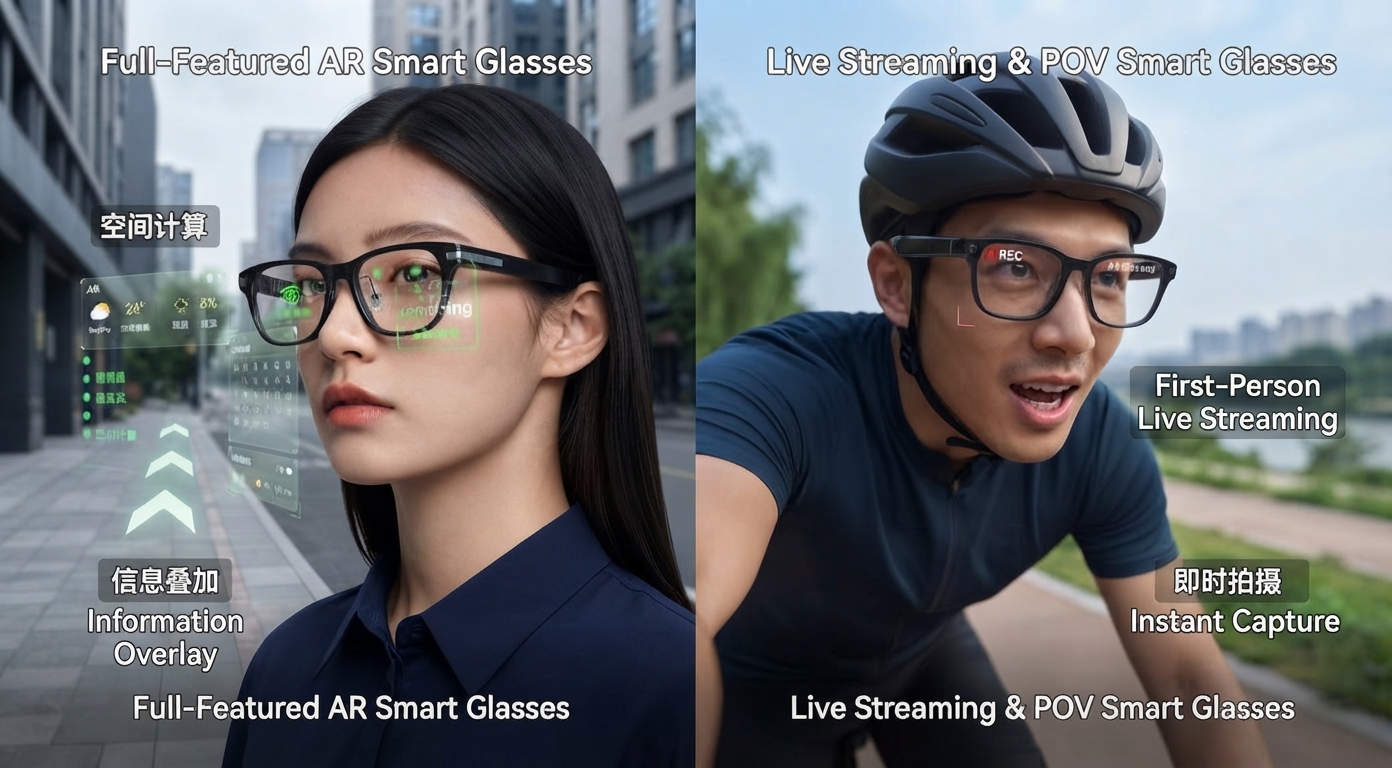
After years of conceptual incubation, the smart glasses market has entered a phase of explosive growth. However, the market is sharply bifurcated: on one side are display-less smart glasses (anchored by Ray-Ban Meta), dominating through POV capture, live streaming, and edge AI; on the other side are true AR smart glasses driven by spatial computing, waveguides, and micro-display virtual screens. Which paradigm will ultimately dictate the future? This article analyzes the ideological and technological divide across hardware, commercial traction, and long-term ecosystem logic.
Looking at global shipment statistics, intelligent eyewear is experiencing unprecedented momentum. However, a closer look reveals a fascinating reality: the current market volume is primarily driven by screen-less “live-streaming and POV smart glasses”.
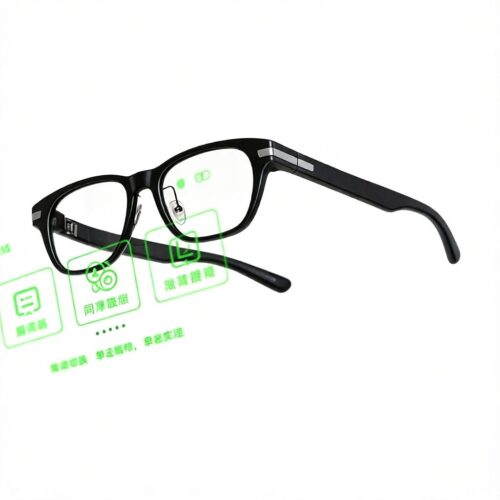
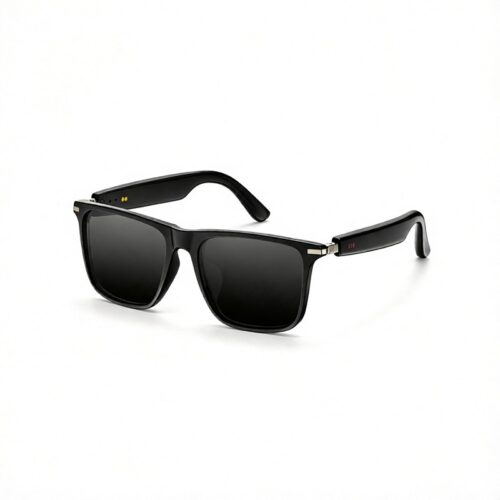
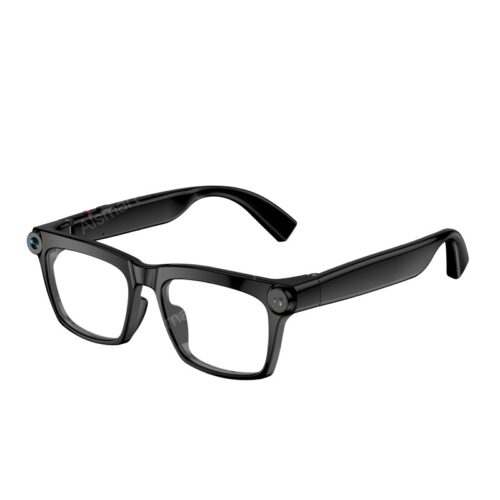
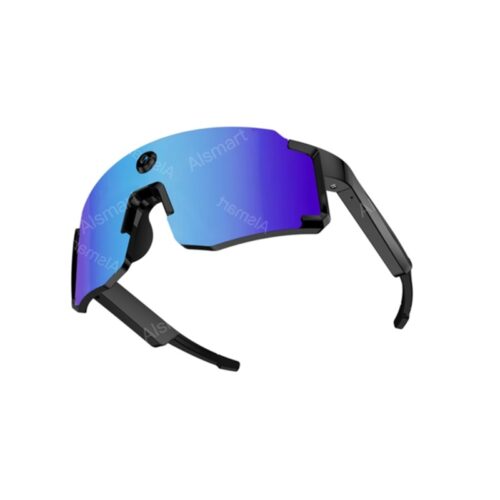
These devices achieve extreme lightweight engineering (typically around 49g–51g), seamlessly matching traditional eyewear comfort.
By combining high-end camera modules, open-ear audio, and multimodal AI, they precisely hit high-frequency consumer demands for first-person perspective (POV) recording, outdoor broadcasting, and instant interactions.
Free from the power and thermal burdens of optical display engines, they enjoy superior consumer adoption.
Centered on spatial computing and digital information overlay.
Although constrained by weight, thermal design power (TDP), and optical efficiency (heavy waveguides and battery constraints), they represent the ultimate form factor of next-generation computing platforms—seamlessly fusing digital content with physical reality.
DimensionLive-Streaming / POV Smart GlassesFull-AR Smart GlassesVisuals & DisplayZero Display: Pure audio + physical/AI interaction with zero visual load.Micro-OLED / Micro-LED + Waveguide: Delivers high-bright, full-color virtual-real fusion.Primary Use CaseFirst-person live streaming, vlog recording, edge AI visual Q&A, fast capture.Immersive multi-monitor work, industrial remote maintenance, spatial navigation, holographic gaming.Power & ThermalUltra-low power consumption, supporting all-day mixed wear and intermittent live streaming. Limited by processing and display heat dissipation; continuous heavy workloads cap battery life at 2–4 hours.Form Factor & Weight~45g–50g, virtually identical to regular sunglasses/prescription frames.60g–90g+, front-heavy geometry causing fatigue during extended wear sessions.
Answering “who rules the future” requires a dialectical view framed within the product evolution lifecycle:
Until radical breakthroughs occur in material science, battery energy density, and waveguide yields, consumers will refuse to wear a cumbersome 80-gram frame on their faces merely for an imperfect AR virtual overlay.
Backed by low entry barriers, supreme all-day comfort, and viral social media engagement via short-form video and live streaming, screen-less cameras have become runaway blockbusters.
They have successfully redefined modern social interaction and lifelogging through “Camera + AI + Audio.”
Looking into the next decade, AR smart glasses will inevitably emerge as the ultimate victor.
Human demand for digital information inherently trends from flat surfaces to volumetric immersion, and from external devices to seamless body-worn gear.
Once Micro-LED brightness surpasses millions of nits, diffractive waveguide transmittance exceeds 95%, and total weight drops below 45g, “AR” will cease to be a separate category modifier—it will become the standard underlying capability of all smart eyewear.
At that stage, the user wears a device capable of instant high-definition POV live streaming while retaining the ability to summon a 100-inch floating virtual workspace for spatial computing on demand.
AR smart glasses and live-streaming camera glasses appear to represent disparate technological trajectories, yet they are two sides of the same consumer electronics revolution coin. Live-streaming glasses win on current consumer pain points and engineering compromises; AR smart glasses embody humanity’s ultimate vision for digital equity.
For industry practitioners, there is no need to pit them in a zero-sum battle—the ultimate winner will be the convergence product that seamlessly merges ultra-lightweight live-streaming utility with high-transparency, unobtrusive AR visual display into a single super-terminal.
#SmartGlasses #AR #AI #ConsumerElectronics #OEMODM #SpatialComputing #WearableTech #LiveStreaming #TechTrends #ProductInnovation #B2BManufacturing #FutureOfTech#ARSmartGlasses#LiveStreamingaiglasses
 +86 13575128559
 dearsonethel@gmail.com
 +1 6625181305
 15675449128

15675449128
 Phone
+86 13575128559
Email
dearsonethel@gmail.com
WhatsApp
+1 6625181305
WeChat
15675449128
Phone
+86 13575128559
Email
dearsonethel@gmail.com
WhatsApp
+1 6625181305
WeChat
15675449128
-500x500.jpg.webp)